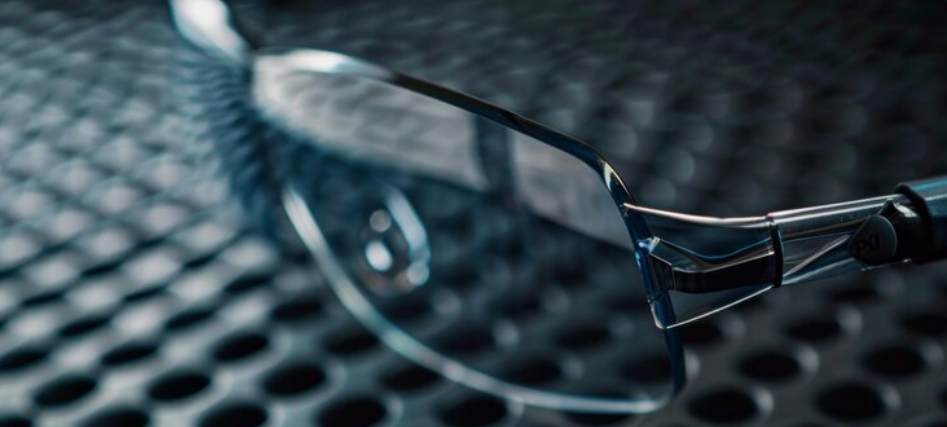
Shooting glasses are an important part of staying safe and comfortable at a shooting range or during outdoor shooting activities. They help protect the eyes from flying particles, dust, and other potential hazards. The right pair can also improve visibility and make it easier to focus on the target. However, choosing suitable shooting glasses requires more than simply picking a design that looks good. Understanding safety standards, lens quality, comfort, and other important features can help you make the right choice.
Choose Shooting Glasses With Proper Eye Protection
Safety should always be the first priority when buying shooting glasses. Look for products designed to protect your eyes from impacts and flying debris. Shooting activities may expose your eyes to small particles, so regular sunglasses are not a suitable replacement for protective eyewear.
Choose shooting glasses that meet recognized safety standards, such as ANSI/ISEA Z87.1 where applicable. Check the manufacturer’s specifications to confirm that the product is suitable for your intended activity. Proper protective eyewear can reduce the risk of eye injuries and provide greater confidence while shooting.
Consider Lens Quality and Clarity
Lens quality plays an important role in how well you can see your surroundings and focus on a target. High-quality shooting glasses should provide clear vision without noticeable distortion. Poor-quality lenses may affect your ability to judge distances or identify targets accurately.
Look for lenses made from impact-resistant materials, such as polycarbonate, when appropriate for your needs. Scratch-resistant coatings can help maintain clear vision over time. Some shooting glasses also offer anti-fog coatings, which are useful when temperatures change or physical activity causes the lenses to fog up.
Select the Right Lens Color
Different lens colors can help improve visibility under different lighting conditions. Clear lenses are often suitable for indoor ranges or low-light environments because they allow plenty of light to pass through. Yellow or amber lenses may improve contrast in certain cloudy or dim conditions.
Gray lenses can help reduce brightness outdoors while maintaining relatively natural color perception. Some shooting glasses also come with interchangeable lenses, allowing users to adjust their eyewear to different environments. Consider where you usually shoot before deciding which lens color will work best for you.
Focus on Fit and Comfort
Shooting glasses should fit securely without causing discomfort. A loose fit may allow particles to reach your eyes, while a tight fit can create pressure around your nose and ears. Look for adjustable nose pieces and flexible temple arms that help provide a stable fit.
Comfort is especially important during long shooting sessions. Lightweight frames can reduce pressure, while a design that works well with hearing protection can make the overall experience more comfortable. Try the glasses with your usual shooting equipment to check that everything fits together properly.
Check Durability and Additional Features
Durable shooting glasses can provide reliable performance with regular care. Look for sturdy frames, quality hinges, and lenses designed for the demands of shooting activities. Features such as anti-fog coatings, interchangeable lenses, and protective storage cases may also add value.
Before purchasing, review the manufacturer’s care instructions and warranty details. A suitable storage case can help prevent scratches and damage when the glasses are not in use.
Conclusion
Buying the right shooting glasses involves balancing safety, lens clarity, comfort, fit, and durability. By choosing properly rated protective eyewear and considering your usual shooting environment, you can find a pair that meets your needs. Take time to compare different options and check their specifications before making a decision. Well-chosen shooting glasses are a valuable part of responsible shooting practices and help support clear vision and eye protection.