
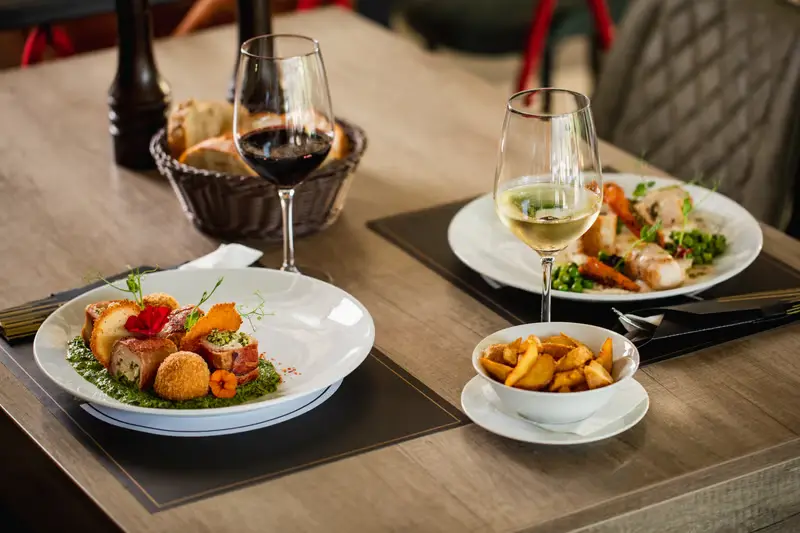
A memorable restaurant visit involves much more than ordering a delicious meal. The atmosphere, service, menu variety, cleanliness, and comfort all influence how people feel during their time at the table. Sometimes, a simple dinner becomes a special occasion because the food is excellent and the setting feels welcoming. Other times, even an attractive restaurant disappoints because the service is slow or the menu does not meet expectations.
Choosing a nice food restaurant means looking at the complete dining experience. Customers want fresh ingredients, well-prepared dishes, comfortable seating, and staff who understand their needs. They also expect clear prices and a reservation process that makes planning easier.
Whether you are arranging a family dinner, meeting friends, celebrating an anniversary, or enjoying a meal alone, the right restaurant can make the occasion more enjoyable. Understanding what separates an ordinary dining place from a memorable one helps you choose with greater confidence.
What Makes a Nice Food Restaurant Stand Out?
A nice food restaurant brings several important elements together. Quality food is the foundation, but the overall experience depends on how well the restaurant manages its environment, service, and menu. A place may serve excellent dishes, yet uncomfortable seating or poor communication can reduce the enjoyment of the visit.
Consistency is another important factor. Customers appreciate knowing that their favorite dish will taste just as good on a second visit. This requires reliable ingredient sourcing, trained kitchen staff, clear preparation standards, and regular quality checks. Restaurants that maintain these practices are more likely to build loyal customers.
The restaurant should also understand its target audience. A casual family restaurant may focus on generous portions, accessible prices, and a relaxed atmosphere. A fine dining establishment may emphasize presentation, specialized ingredients, detailed service, and a carefully designed menu. Neither approach is automatically better. The right choice depends on the occasion and personal expectations.
Food Quality and Fresh Ingredients
Food quality begins before a dish reaches the kitchen. Restaurants need dependable suppliers, suitable storage conditions, and careful ingredient handling. Fresh vegetables, properly stored meat, quality seafood, and well-selected spices can make a noticeable difference in flavor and texture.
Preparation methods matter just as much. Cooking temperatures, timing, seasoning, and portion control influence the final result. A restaurant that pays attention to these details can serve food that feels carefully prepared rather than rushed. A nice food restaurant should also maintain consistent hygiene throughout food preparation and service.
Customers should not judge quality by presentation alone. An attractive plate may create a strong first impression, but flavor, temperature, freshness, and texture determine whether the meal truly satisfies. Good restaurants understand that appearance should support the food rather than hide weaknesses.
Dining Ambiance and the Restaurant Environment
Ambiance shapes the way customers experience a meal. Lighting, music, furniture, decoration, temperature, and the arrangement of tables all contribute to the atmosphere. These details may seem secondary compared with food, but they can influence comfort, conversation, and how long guests want to stay.
A well-designed restaurant matches its environment to its purpose. A family dining space may use warm lighting, practical seating, and enough room for children. A romantic restaurant may create a quieter setting with softer lights and more private tables. A modern café may use open seating, natural materials, and background music to create a relaxed social environment.
A nice food restaurant should avoid making style more important than comfort. Beautiful furniture is not useful if chairs are uncomfortable or tables are too close together. Customers need enough personal space to enjoy their meals without feeling crowded.
Lighting, Music, and Interior Design
Lighting affects both the appearance of food and the mood of the room. Very bright lighting can make a restaurant feel functional but less intimate, while extremely dim lighting may make menus difficult to read. Balanced lighting helps create a welcoming environment and allows customers to enjoy their meals comfortably.
Music should support conversation rather than compete with it. Restaurants serving quick meals may use a more energetic soundtrack, while places designed for longer dinners usually benefit from quieter background music. Volume is especially important in small dining rooms, where sound can quickly become overwhelming.
Interior design should also reflect the restaurant’s identity. Natural materials, thoughtful artwork, suitable colors, and clean decoration can make the space feel distinctive. However, the design should remain practical. Surfaces need to be easy to maintain, walkways should remain clear, and the dining area should feel organized.
Cleanliness, Seating, and Comfort
Cleanliness is a basic expectation, not an optional feature. Tables, menus, floors, restrooms, and shared surfaces should be maintained throughout service. Customers also notice small details such as clean glassware, polished cutlery, and properly arranged seating.
Comfort includes more than furniture. Good ventilation, suitable room temperature, accessible entrances, and enough space to move around can improve the experience. Restaurants should consider guests with different mobility needs when planning entrances, seating, and restroom facilities.
A nice food restaurant creates a setting where people can relax without worrying about avoidable discomfort. Clean surroundings and thoughtful seating arrangements also communicate that management takes customer care seriously.
Culinary Selection and Menu Variety
A restaurant menu should offer enough choice without becoming confusing. Customers appreciate variety, but an excessively large menu can make ordering difficult and place pressure on kitchen operations. A focused selection often allows restaurants to maintain freshness and consistency.
Menu planning should reflect the restaurant’s concept and the preferences of its intended customers. An Italian restaurant may specialize in pasta, pizza, and regional dishes, while a seafood restaurant may focus on fresh fish, shellfish, and seasonal preparations. A neighborhood restaurant might offer a broader selection to serve families and groups with different tastes.
A nice food restaurant should also consider dietary requirements. Vegetarian meals, clearly identified allergens, and suitable options for people avoiding certain ingredients make dining more accessible. Staff should be able to explain ingredients and preparation methods accurately instead of guessing when customers ask questions.
Balance Signature Dishes With Familiar Favorites
Signature dishes help give a restaurant its identity. They may feature a distinctive sauce, a traditional cooking method, a regional ingredient, or a creative combination developed by the chef. These dishes give customers a reason to visit and provide something memorable to recommend.
However, a menu should not rely entirely on unusual creations. Familiar choices help guests who prefer traditional flavors or are dining with people who have different preferences. A balanced menu combines recognizable meals with a few distinctive specialties.
Restaurants should also review their menus regularly. Seasonal ingredients can influence flavor, availability, and cost. Removing unpopular items and improving frequently ordered dishes can make the menu more practical while maintaining its character.
Presentation, Flavor, and Portion Size
Presentation helps customers understand the care behind a dish. Balanced colors, clean plating, and suitable serving dishes can make food more appealing. Yet presentation should never interfere with eating comfort. Complicated decorations and oversized plates do not necessarily improve a meal.
Flavor remains the most important test. Ingredients should complement one another, seasoning should be balanced, and dishes should arrive at an appropriate temperature. A well-prepared meal does not need excessive decoration to feel special.
Portion size should match the dish, price, and restaurant style. Customers want to feel that they receive fair value without unnecessary waste. A nice food restaurant considers portion consistency as part of its overall quality standards.
Customer Service and the Complete Dining Experience
Service can turn a good meal into an excellent experience. Customers appreciate staff who greet them politely, explain menu choices, answer questions, and respond calmly when something goes wrong. Professional service does not mean constantly interrupting guests. It means being available when assistance is needed.
Timing is especially important. Guests should not have to wait excessively for menus, drinks, or the first course without an explanation. At the same time, rushing customers through a meal can make the experience uncomfortable. Restaurants need to balance efficient table management with the pace of the occasion.
Staff knowledge also matters. Servers should understand the menu, ingredients, preparation methods, and common allergen concerns. If a guest asks whether a dish contains a particular ingredient, the employee should confirm the information with the kitchen rather than provide an uncertain answer.
Handling Complaints Professionally
Even well-managed restaurants experience occasional mistakes. An order may arrive incorrectly, a dish may be too cold, or a reservation may not appear in the system. What matters is how staff respond.
A professional response begins with listening. Employees should allow customers to explain the issue, acknowledge the inconvenience, and offer a reasonable solution. Depending on the situation, this may involve replacing a dish, correcting the order, or speaking with a manager.
A nice food restaurant treats complaints as useful feedback. Repeated problems can reveal weaknesses in kitchen coordination, staff training, or reservation management. Correcting the cause is more valuable than simply apologizing for each incident.
Table Reservations and Smart Dining Plans
Reservations make restaurant visits easier, especially during weekends, holidays, and special occasions. They help customers secure a suitable time while allowing restaurants to plan seating, staffing, and food preparation more effectively.
Before booking, consider the size of your group, preferred dining time, and any special requirements. A family with young children may want a table away from a busy entrance. A couple celebrating an anniversary may prefer a quieter area. Guests with mobility needs may require accessible seating.
Many restaurants accept reservations through their websites, telephone lines, or booking platforms. Customers should check whether the reservation is confirmed and review any conditions involving deposits, cancellation periods, or late arrivals.
What to Check Before Confirming a Booking
A reservation should provide clear information about the date, time, party size, and restaurant location. If you are booking for a celebration, ask whether the restaurant can accommodate a special request. Do not assume that decorations, custom cakes, or specific seating arrangements are included unless the restaurant confirms them.
It is also useful to review the menu and approximate prices before arriving. This is particularly important for larger groups, where guests may have different budgets or dietary needs. Checking parking arrangements, public transport access, and opening hours can prevent unnecessary difficulties.
For a nice food restaurant, a good reservation experience should feel straightforward. Clear confirmation messages and honest policies help customers plan confidently.
Avoid Common Reservation Problems
Late arrivals, incorrect group sizes, and last-minute cancellations can create difficulties for both customers and restaurant staff. If your plans change, contact the restaurant as early as possible. This gives the team a chance to adjust seating and offer the table to other guests.
Customers should also avoid making duplicate bookings at multiple restaurants without cancelling the unused reservations. This can block tables that other diners may want. Restaurants, in turn, should maintain accurate booking records and communicate promptly if a reservation needs to change.
Good reservation management is part of good hospitality. It creates a better first impression before the customer even enters the dining room.
Choosing the Right Restaurant for Different Occasions
The best restaurant depends on why you are dining out. A place that works well for a quick lunch may not be suitable for a formal celebration. Matching the restaurant to the occasion helps create a more satisfying experience.
For family meals, consider menu variety, comfortable seating, reasonable prices, and a welcoming atmosphere. For business meetings, quiet surroundings, reliable service, and convenient access may be more important. Couples may prioritize ambiance, thoughtful presentation, and a menu suited to a longer dinner.
Group dining requires additional planning. Confirm that the restaurant can accommodate everyone and ask about shared menus or separate billing arrangements. If guests have different dietary needs, communicate them before the visit.
Reviews can help with decision-making, but they should be read carefully. Look for repeated comments about food consistency, cleanliness, service, and value rather than relying on one unusually positive or negative opinion. Recent feedback is generally more useful than reviews written several years earlier.
A nice food restaurant should meet the needs of the occasion while delivering dependable quality. The most expensive option is not always the best choice. A comfortable local restaurant with fresh food and attentive staff may provide a more enjoyable experience than a fashionable venue that overlooks basic service.
Conclusion
A memorable restaurant experience comes from the combination of good food, welcoming ambiance, reliable service, and thoughtful planning. Each element contributes to how customers feel, from the moment they make a reservation to the time they leave the table.
Choosing a nice food restaurant becomes easier when you consider food quality, menu variety, cleanliness, comfort, and the needs of your occasion. A little preparation also helps avoid reservation problems and unexpected costs.
Restaurants that focus on consistency and genuine hospitality build stronger relationships with their customers. For diners, the best choice is a place where the food tastes good, the atmosphere feels comfortable, and every part of the experience makes the visit worthwhile.