
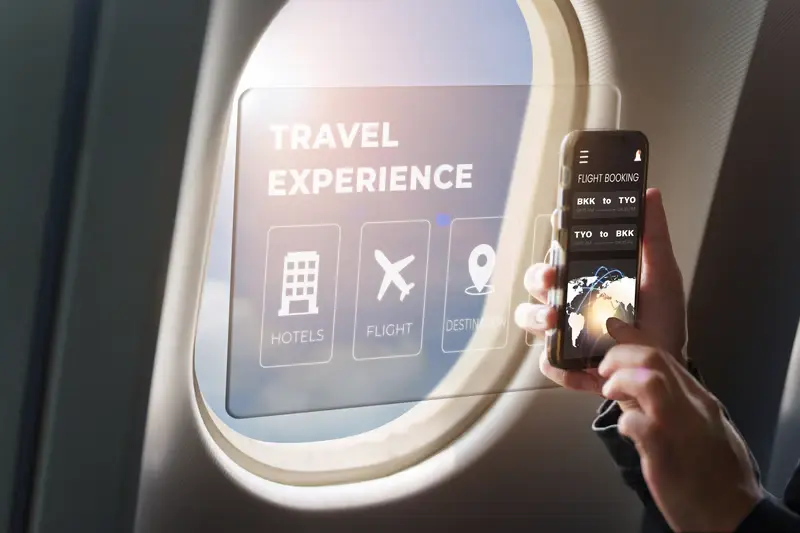
Travel planning once meant comparing printed brochures, calling hotels, and relying on travel agents to confirm every detail. Today, a traveler can explore a destination virtually, compare prices across platforms, reserve a complete trip, and receive real-time updates without leaving a smartphone. Technology has changed not only how people book holidays but also how tourism businesses design, sell, and deliver experiences.
Tour technology innovations are driving this shift. Artificial intelligence, automated booking systems, mobile applications, virtual reality, and connected travel services are making journeys more convenient and information-rich. Yet the real value of these tools is not simply speed. It lies in helping travelers make better decisions while allowing tour operators to manage operations with greater accuracy.
For tourism professionals, adopting technology requires more than purchasing software. Each tool should solve a genuine customer or operational problem. Understanding where innovation creates value, where it introduces risk, and how different systems work together is essential for building a competitive travel business.
The Evolution of Technology in the Tourism Industry
Tourism has always depended on information. Travelers need to understand destinations, compare services, assess costs, and coordinate transportation and accommodation. Technology has made these activities faster and more accessible, while changing the expectations customers bring to travel companies.
Early online reservation platforms moved booking activities from telephone conversations to websites. Travelers gained more control over searching and comparing options. Later, smartphones made travel information available throughout the journey. Mobile boarding passes, digital maps, online payments, and instant notifications reduced dependence on printed documents and physical service counters.
Today, tour technology innovations connect more parts of the travel experience. A customer might discover a destination through social media, use an AI assistant to develop an itinerary, book accommodation through an online platform, and access digital tickets through a mobile application. Each interaction creates an opportunity for tourism businesses to improve service.
However, greater digital access also creates competition. Travelers can compare providers quickly and may switch when prices, policies, or customer support are unclear. Tourism companies therefore need reliable information, consistent service, and transparent booking conditions. Technology can support these goals, but it cannot compensate for poor operations.
From Digital Reservations to Connected Travel Experiences
Modern tourism systems increasingly connect reservations, customer records, payments, inventory, and communication. Instead of managing each activity separately, businesses can use integrated platforms to coordinate the customer journey.
For example, a tour operator may connect its website booking system with a payment gateway and customer relationship management platform. Once a traveler confirms a reservation, the system can update availability, issue confirmation details, and trigger relevant messages. This reduces manual work and lowers the risk of double bookings.
The next stage is making these systems work across the wider travel experience. Travelers increasingly expect information to remain consistent when they move between websites, mobile applications, airports, hotels, and tour providers. Businesses that reduce unnecessary repetition can create a smoother experience.
Artificial Intelligence and Personalized Travel Planning
Artificial intelligence is becoming an important part of travel discovery and planning. AI-powered tools can interpret customer preferences, organize information, suggest destinations, and help users compare possible itineraries. Instead of searching through hundreds of unrelated options, travelers can describe the type of experience they want and receive a more focused starting point.
For instance, a couple planning a short holiday might request a destination with mild weather, cultural attractions, and convenient public transport. An AI assistant can help identify possible locations and arrange activities into a draft itinerary. The traveler can then review travel times, prices, opening schedules, and practical details before making reservations.
Tour technology innovations are particularly useful when personalization is based on meaningful information. A family with young children may need shorter transfers and flexible activities. A solo traveler may prefer guided walking tours and centrally located accommodation. A visitor with limited mobility may need accessible transport and step-free attractions.
AI Recommendations Need Human Judgment
AI-generated travel suggestions are not automatically accurate. Information about opening hours, visa requirements, transport schedules, and local restrictions can change. A recommendation may also overlook cultural expectations, seasonal conditions, or accessibility limitations.
Travel businesses should treat AI as a planning assistant rather than an unquestionable authority. Important details must be checked against official sources and service providers. Human travel specialists remain valuable when a trip involves complex logistics, special requirements, or unexpected changes.
Companies should also explain how customer information is collected and used. Personalization can improve recommendations, but excessive data collection may damage trust. Responsible systems should follow applicable privacy laws, limit unnecessary data access, and provide clear choices about marketing communications.
Smart Booking Systems and Automated Reservations
Booking technology is one of the most commercially important areas of tourism innovation. Customers expect to check availability, understand prices, select services, and complete payments without lengthy delays. A poorly designed booking process can cause abandoned reservations even when the tour itself is attractive.
Modern reservation platforms can manage tour schedules, ticket inventory, customer details, payment processing, and confirmation messages. They can also distribute availability across a company’s website, travel marketplaces, and other approved sales channels. This helps operators maintain more consistent inventory and reduces the administrative burden of updating multiple platforms manually.
For businesses offering timed activities, such as museum visits, boat trips, or guided excursions, real-time availability is especially valuable. If a time slot becomes full, the system can prevent additional bookings and display other options. This protects the customer experience while helping operators manage capacity.
Dynamic Pricing and Real-Time Availability
Some booking systems support dynamic pricing, where rates change according to demand, season, booking lead time, or available capacity. Airlines and accommodation providers have used forms of variable pricing for years, and similar approaches can be applied to tours and attractions.
However, changing prices require careful management. If customers see unexplained differences or unexpected fees, they may lose confidence in the provider. Businesses should define pricing rules clearly and communicate what is included in each reservation.
Tour technology innovations can also help operators forecast demand. Historical booking patterns may indicate which departures are likely to fill, which dates need promotion, and when additional staff or vehicles may be required. Forecasts are not guarantees, but they can support better operational decisions.
Mobile Payments and Digital Tickets
Mobile booking has made digital payments and electronic tickets normal parts of travel. Customers can pay through cards, digital wallets, and other supported methods, then receive a confirmation or scannable ticket on their device. This reduces paperwork and can speed up entry at busy attractions.
Operators should select payment systems that support their customers’ preferred currencies and payment methods. They must also consider transaction fees, fraud prevention, refunds, and payment security. A convenient checkout is only successful when it is also reliable and transparent.
Virtual Reality and Augmented Reality in Tourism
Travelers often struggle to judge a destination from photographs alone. A hotel room may look spacious in promotional images but feel different in person. A cultural attraction may sound interesting without giving visitors a clear idea of what they will see. Virtual reality and augmented reality help bridge this information gap.
Virtual reality creates an immersive digital environment that users can explore through a headset or compatible screen. Tourism businesses can use it to present hotel rooms, cruise facilities, attractions, and destination experiences before a customer makes a booking. A traveler considering a remote resort, for example, can take a virtual tour of its accommodation and surrounding facilities.
Augmented reality adds digital information to the real world through a smartphone or wearable device. A visitor exploring a historic district might point a phone at a building to view historical details, translations, or interactive directions. Museums can use AR to explain artifacts, while nature attractions can provide information about plants, wildlife, and conservation.
Research into immersive tourism technologies has found that the feeling of being present in a digital environment can influence how users experience these tools. This makes the quality and relevance of the experience more important than simply adding impressive visual effects.
Use Immersive Experiences to Support Better Decisions
Virtual tours are most useful when they provide accurate information. A hotel should show realistic room dimensions, facilities, and views rather than relying on exaggerated visual effects. Tour operators should also make sure that digital previews reflect the actual experience customers will receive.
These tools can help people with mobility limitations or limited travel budgets explore places before deciding whether a visit is practical. They can also introduce destinations to people who cannot travel easily. However, a virtual experience should not be presented as a complete replacement for visiting a place. The atmosphere, human interaction, local culture, and unexpected discoveries of physical travel remain difficult to reproduce digitally.
Smart Devices, Contactless Services, and Real-Time Travel Support
Connected devices are making travel services more responsive. Hotels can use smart room controls to let guests adjust lighting and temperature. Digital keys can allow room access through a mobile phone, while connected sensors can help facilities teams identify maintenance needs.
At attractions and tour locations, location-based services can provide directions, audio guides, and relevant information as visitors move through a site. A traveler walking through a large museum, for example, may receive directions to a particular exhibition without repeatedly checking a printed map.
Contactless services also reduce friction during busy travel periods. Mobile check-in, digital boarding passes, electronic tickets, and supported self-service kiosks can shorten queues. Biometric systems may make identity checks faster at certain airports and border facilities, subject to local rules and available infrastructure.
Convenience Must Not Come at the Expense of Privacy
Smart travel services often depend on personal information, including location, booking history, identification details, and payment data. This creates responsibilities for tourism businesses. Collecting information without a clear purpose can expose customers to privacy risks and weaken trust.
Operators should use reputable technology providers, restrict staff access to sensitive information, and explain how data is stored and shared. They should also offer practical alternatives when travelers cannot or do not want to use a particular digital service. A visitor should not be excluded from a basic service simply because they do not own a compatible smartphone.
Tour technology innovations should make travel more accessible, not create new barriers. Digital systems work best when they support different ages, languages, abilities, and levels of technical confidence.
Data Analytics, Sustainability, and Better Tour Operations
Tourism businesses generate useful information through reservations, customer feedback, website activity, and service operations. When analyzed responsibly, this data can help managers understand demand and improve decisions.
A tour company might review booking patterns to identify popular departure times. If early morning trips regularly sell out while afternoon departures remain underused, the operator can adjust schedules or test different prices. Feedback may reveal that customers enjoy a destination but find the transfer arrangements confusing. Management can then address the actual problem instead of investing in unrelated upgrades.
Data can also support more responsible tourism. Attractions can monitor visitor numbers and encourage travel at less crowded times. Tour operators can plan vehicle capacity more efficiently, reduce unnecessary journeys, and provide visitors with information about public transport or lower-impact activities.
The World Economic Forum’s Travel and Tourism Development Index 2026 highlights the role of digitalization across trip planning, booking, payments, and post-trip engagement. It also points to differences in digital readiness between advanced and developing economies, showing why technology adoption requires investment in infrastructure and skills.
Measure Business Results, Not Technology Adoption Alone
Buying software does not automatically improve a tourism business. A booking platform may be expensive to maintain if it does not integrate with existing systems. An AI chatbot may frustrate customers if it cannot resolve common questions or transfer complex cases to a person.
Before investing, managers should identify the problem they want to solve. Useful measures might include booking completion rates, response times, customer satisfaction, administrative workload, refund processing time, or the number of booking errors. These indicators help determine whether a system is delivering real value.
Small operators should avoid copying the technology strategy of a large airline or hotel group. A local tour company may gain more from a reliable mobile-friendly website, online payments, and automated confirmations than from an expensive immersive platform. The best investment is the one that improves a measurable part of the customer journey.
How Tourism Businesses Should Adopt New Technology
Successful digital transformation begins with understanding customers. A business should identify where travelers experience delays, confusion, or unnecessary effort. It can then select tour technology innovations that address those problems directly.
A practical starting point is to review the existing booking journey. Check whether customers can find accurate prices, understand cancellation rules, view available dates, and complete payments easily. If the process is difficult on mobile devices, improving the website may deliver more value than introducing advanced AI features.
Integration should be another priority. Booking software, customer records, payment systems, and communication tools should share accurate information wherever possible. Disconnected platforms create duplicate work and increase the chance of mistakes. Before selecting a provider, ask about integration options, ongoing costs, staff training, technical support, and data security.
Businesses should also introduce changes gradually. Test a new system with a limited service or customer group before making it central to the operation. Gather feedback from staff and travelers, monitor performance, and correct problems early. This reduces disruption and helps employees become confident with the technology.
The wider industry is moving toward AI-supported discovery and more automated travel processes. Phocuswright’s 2026 research preview reports growing use of AI for trip planning and increasing experimentation with agentic systems that can take actions rather than simply provide suggestions. Yet businesses still need dependable information, secure transactions, and clear customer support to make these developments useful.
For smaller tourism companies, the priority should be a strong digital foundation. A responsive website, reliable booking engine, secure payment options, accurate online listings, and prompt customer communication are often more valuable than several disconnected advanced tools. Tour technology innovations should be introduced in an order that the business can afford, maintain, and manage effectively.
Conclusion
Tourism technology is changing how people discover destinations, plan journeys, reserve activities, and experience places. Artificial intelligence can support personalized planning, smart booking systems can simplify reservations, and virtual or augmented reality can help travelers explore attractions before arrival. Connected devices and data analytics also give businesses new ways to improve service and manage operations.
However, technology alone does not create a memorable trip. Travelers still value accurate information, helpful staff, local knowledge, safety, and genuine cultural experiences. The most effective tour technology innovations strengthen these human elements rather than trying to replace them.
Tourism businesses should begin with clear customer needs, select tools that solve specific problems, and measure results after implementation. With thoughtful investment and responsible data practices, tour technology innovations can make travel more convenient while helping businesses build lasting customer trust.
FAQs
1. What are tour technology innovations?
Tour technology innovations are digital tools and systems that improve travel planning, booking, and visitor experiences. Examples include AI travel assistants, online reservation platforms, digital tickets, virtual tours, mobile applications, and connected hotel services.
2. How does AI improve travel planning?
AI can analyze traveler preferences and suggest destinations, activities, and possible itineraries. It can reduce research time, but travelers should verify prices, schedules, entry requirements, and other important details before booking.
3. What is the difference between virtual reality and augmented reality in tourism?
Virtual reality creates an immersive digital environment, while augmented reality adds digital information to the real world. Both can help visitors explore attractions and understand destinations in more engaging ways.
4. Are smart booking systems useful for small tour operators?
Yes. They can automate reservations, payments, confirmations, and availability updates. Small operators should choose affordable systems that integrate with existing tools and solve practical problems rather than paying for unnecessary features.
5. Will technology replace human travel agents and tour guides?
Technology can automate routine tasks and support travel decisions, but human professionals remain valuable for complex planning, local knowledge, personal assistance, and unexpected problems that require judgment and empathy.