
Good health is easier to protect than to rebuild after years of neglect. Yet many people only pay attention to their wellbeing when something feels wrong. They wait for persistent tiredness, unexpected weight changes, or recurring discomfort before reviewing their habits. By then, some health risks may have been developing quietly for years.
Preventive wellness health takes a different approach. It focuses on reducing avoidable risks, recognizing early warning signs, and building routines that support the body over time. It is not about following a perfect diet or spending every morning at the gym. It means making informed choices that protect physical, mental, and emotional wellbeing.
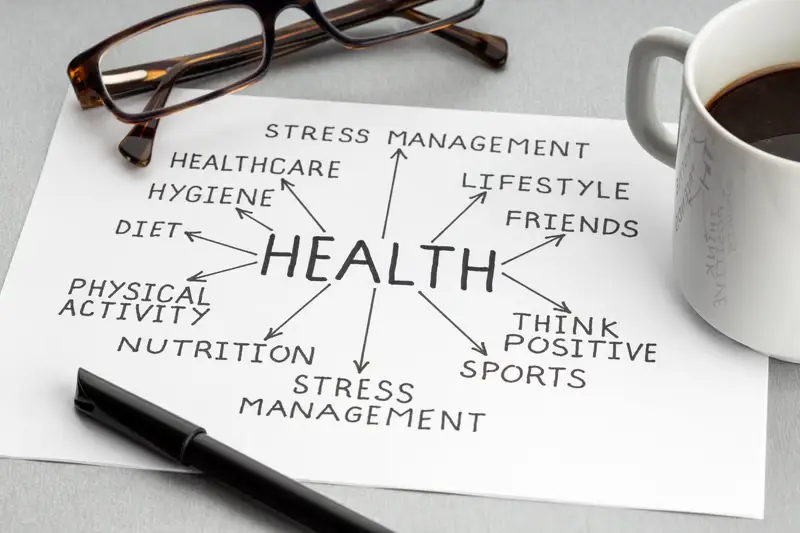
The most effective approach combines daily habits with appropriate medical care. Nutrition, movement, sleep, stress management, vaccination, and health screenings all play a role. Understanding how these elements work together helps people make better decisions instead of relying on short-term health trends.
Understanding Preventive Wellness and Its Importance
Preventive wellness is the practice of protecting health before serious problems develop. It includes personal habits, professional medical guidance, and regular attention to changes in the body. Rather than focusing only on treating illness, it aims to reduce risk and support long-term functioning.
Preventive wellness health involves several levels of care. Primary prevention reduces the likelihood of disease through actions such as vaccination, balanced nutrition, physical activity, and avoiding tobacco. Secondary prevention focuses on identifying conditions early through appropriate screenings and health assessments. Tertiary prevention helps people manage existing conditions, prevent complications, and maintain quality of life.
These approaches serve different purposes, but they support the same goal. They help people make decisions based on their actual health needs rather than waiting for a crisis.
Why Prevention Deserves More Attention
Many common health conditions develop gradually. High blood pressure, type 2 diabetes, and some forms of cardiovascular disease may not produce obvious symptoms during their early stages. A person can feel generally healthy while certain risk factors are increasing.
This is one reason regular checkups matter. A blood pressure reading, cholesterol test, or blood glucose assessment may reveal concerns that are difficult to recognize through everyday observation. Early information gives patients and healthcare professionals more time to discuss suitable changes or treatment.
However, prevention should not become unnecessary testing. Screening recommendations depend on age, family history, existing conditions, lifestyle, and individual risk. More tests do not automatically mean better care. The aim is to choose assessments that have a clear medical purpose and a reasonable benefit.
Build a Nutrition Plan That Supports Long-Term Health
Food affects energy, digestion, metabolic health, and the body’s ability to maintain normal functions. A balanced eating pattern supplies essential nutrients while helping manage factors associated with chronic disease.
A practical diet does not need expensive ingredients or complicated recipes. Most people can begin by including vegetables, fruits, whole grains, legumes, nuts, and suitable protein sources in regular meals. These foods provide fiber, vitamins, minerals, and other nutrients that support different body systems.
Preventive wellness health becomes easier to maintain when meals are built around consistent nutritional quality rather than temporary restrictions. For example, replacing some refined grains with whole grains can increase fiber intake. Choosing beans, lentils, fish, eggs, or other suitable protein sources can make meals more satisfying and balanced.
Focus on Food Quality Instead of Diet Trends
Popular diets often promise quick results. Some encourage strict carbohydrate limits, while others remove entire food groups. These approaches may suit particular medical needs, but they are not automatically appropriate for everyone.
A better starting point is to examine the overall eating pattern. Are meals providing enough vegetables and fiber? Is added sugar a regular part of drinks and snacks? Are highly processed foods replacing more nutritious options? Are portion sizes appropriate for personal needs and activity levels?
Small adjustments are often easier to sustain than dramatic restrictions. Someone who regularly drinks sweetened beverages might begin by choosing water more often. Another person may add vegetables to lunch or prepare meals at home several times a week.
Understand Hydration and Portion Awareness
Water supports digestion, circulation, temperature regulation, and other essential processes. Individual fluid requirements vary according to climate, activity, age, diet, and health status. People with certain heart or kidney conditions may also need specific medical guidance about fluid intake.
Portion awareness is equally useful. Eating slowly and recognizing hunger and fullness signals can help prevent habitual overeating. It also makes meals more satisfying because attention is directed toward taste and comfort rather than distractions.
The purpose of preventive wellness health is not to create anxiety around food. It is to develop a flexible eating pattern that provides nourishment without unnecessary guilt or rigid rules.
Use Physical Activity to Improve Vitality
Regular movement supports cardiovascular fitness, muscle strength, joint function, metabolic health, and emotional wellbeing. It can also improve sleep and help people maintain independence as they age.
The World Health Organization recommends that adults aim for at least 150 to 300 minutes of moderate-intensity aerobic physical activity each week, or an equivalent amount of vigorous activity. Adults should also include muscle-strengthening activities on two or more days per week, according to their abilities.
These recommendations are useful targets, not a reason to avoid movement when a full exercise session is difficult. A short walk, taking stairs, cycling to nearby destinations, or completing household activities can contribute to daily activity.
Choose Exercise That Fits Your Lifestyle
The best exercise plan is one that can be maintained. A person who dislikes running may prefer swimming, cycling, dancing, or brisk walking. Someone with limited mobility may benefit from chair-based exercises or supervised strength training.
A balanced routine generally includes aerobic activity, resistance exercises, and movements that support flexibility and balance. Strength training is especially valuable because muscle mass and physical function can decline with age and inactivity.
Start gradually if you have been inactive. Increasing exercise intensity too quickly can cause injuries and discourage consistency. People with existing medical conditions, significant symptoms, or concerns about exercise safety should seek advice from a qualified healthcare professional before beginning a demanding program.
Preventive wellness health should support daily life rather than become another source of pressure. Consistent movement at a manageable level is more useful than an ambitious routine that lasts only a few weeks.
Protect Sleep and Manage Everyday Stress
Sleep is an essential part of physical and mental recovery. During sleep, the body regulates several processes involved in memory, immune function, metabolism, and tissue repair. Regularly sleeping too little can affect concentration, mood, appetite, and overall health.
Most adults need at least seven hours of sleep each night, although individual requirements vary. Sleep quality matters too. Frequent interruptions, irregular schedules, and untreated sleep disorders can prevent people from feeling rested even when they spend enough time in bed.
A consistent bedtime, a comfortable sleeping environment, and reduced exposure to stimulating activities before bed may help. Limiting caffeine later in the day can also improve sleep for people who are sensitive to it.
Recognize the Physical Effects of Chronic Stress
Stress is a normal response to demanding situations. Short periods of stress can help people react to challenges. The problem arises when pressure becomes constant and recovery time is limited.
Long-term stress can affect sleep, eating habits, mood, and physical functioning. Some people respond by skipping meals, consuming more caffeine, avoiding exercise, or relying on tobacco and alcohol. These reactions can gradually undermine other preventive habits.
Practical stress management does not require a complicated wellness routine. Walking outdoors, breathing exercises, social connection, journaling, and realistic workload planning can help. People experiencing persistent anxiety, low mood, or difficulty functioning should consider speaking with a qualified mental health professional.
A useful preventive wellness health plan treats mental wellbeing as part of overall health, not as an optional extra.
Make Preventive Healthcare Part of Your Routine
Healthy habits reduce some risks, but they cannot replace professional medical care. Regular healthcare appointments help identify concerns, review risk factors, and determine whether further assessment is appropriate.
The right schedule depends on personal circumstances. Blood pressure checks, cholesterol assessments, diabetes screening, dental examinations, vision checks, and cancer screenings may be relevant at different stages of life. Not everyone needs every test at the same frequency.
Family history can influence screening decisions. A person with close relatives who developed certain conditions at an early age may need earlier or more frequent assessment. Existing medical conditions and medication use also affect the type of monitoring required.
Do Not Ignore Changes in Your Body
Persistent fatigue, unexplained weight changes, unusual pain, changes in bowel habits, or ongoing shortness of breath deserve attention. These symptoms can have many causes, and they do not automatically indicate a serious illness. However, assuming they will disappear without assessment can delay appropriate care.
Keep track of symptoms that continue, become more frequent, or interfere with daily activities. Note when they started, what makes them better or worse, and whether other changes occur at the same time. This information can help a healthcare professional assess the situation.
Seek urgent medical attention for emergency warning signs such as severe chest pain, sudden difficulty breathing, or signs of a stroke. Preventive care includes knowing when routine advice is not enough.
Stay Current With Recommended Vaccinations
Vaccination is an important preventive measure because it helps protect individuals and communities against infectious diseases. Recommendations vary according to age, medical history, occupation, travel plans, and local public health guidance.
Some vaccines are routinely recommended during childhood, while others may be advised for adults, older people, pregnant individuals, or those with particular medical risks. A healthcare professional can review vaccination history and explain which doses or boosters may be appropriate.
Reliable medical guidance is more useful than social media claims or assumptions based on another person’s experience. Preventive wellness health works best when decisions are based on individual needs and established medical evidence.
Reduce Lifestyle Risks Before They Become Health Problems
Certain daily behaviors increase the likelihood of developing long-term health conditions. Tobacco use, excessive alcohol consumption, prolonged inactivity, poor sleep, and an unbalanced diet can affect several body systems.
Avoiding tobacco is one of the most important steps a person can take to protect long-term health. People who smoke can benefit from professional cessation support, counseling, and evidence-based treatments. Quitting may require several attempts, but each attempt can be part of meaningful progress.
Alcohol also deserves an honest review. Drinking less can reduce exposure to alcohol-related health risks. People who drink heavily or experience withdrawal symptoms should seek medical advice rather than stopping abruptly without support.
Environmental factors matter too. Air pollution, workplace hazards, unsafe water, and excessive sun exposure can influence health. Protective measures may include ventilation, suitable workplace equipment, sun protection, and following local safety recommendations.
Preventive wellness health requires attention to the conditions in which people live and work. Individual choices matter, but access to safe environments and healthcare also affects the ability to stay well.
Create a Sustainable Preventive Wellness Plan
A useful health plan should be personal, realistic, and flexible. Trying to change nutrition, exercise, sleep, and every other habit at the same time can become overwhelming. A gradual approach allows people to identify what works and adjust when circumstances change.
Begin with a basic review of your current routine. Consider how often you move, what your meals usually contain, how well you sleep, and whether you have completed recommended health checks. Identify one or two areas that need attention first.
For example, a person who spends most of the day sitting could begin with a 15-minute walk after lunch. Someone who regularly skips breakfast might prepare a simple meal the night before. A person with a family history of diabetes could discuss appropriate screening with a healthcare professional.
Measure Progress Without Becoming Obsessed
Progress is not limited to weight or appearance. Better energy, improved stamina, more consistent sleep, healthier blood pressure, and greater ability to complete everyday tasks can all indicate positive change.
Use measurements when they serve a clear purpose. A healthcare professional may recommend monitoring blood pressure, blood glucose, or cholesterol based on individual risk. Daily tracking of every physical detail is rarely necessary for most people and may create unnecessary stress.
Review your habits every few weeks. If a routine is difficult to maintain, identify the obstacle instead of treating the difficulty as failure. Perhaps the exercise schedule is unrealistic, meals require too much preparation, or work commitments are disrupting sleep.
The strongest preventive wellness health strategy is one that adapts to real life. It should remain useful during busy periods, family responsibilities, travel, and changing health needs.
Conclusion
Preventive wellness is a long-term commitment to protecting health through informed choices and appropriate medical care. Balanced nutrition, regular physical activity, sufficient sleep, stress management, vaccination, and recommended screenings work together to reduce avoidable risks and support vitality.
However, prevention should not become a collection of strict rules or expensive wellness trends. The best decisions are based on personal health needs, reliable evidence, and habits that can be maintained over time.
Start with the areas that matter most. Address known risk factors, schedule appropriate health assessments, and make gradual improvements to everyday routines. With consistency and professional guidance when needed, preventive wellness health can support a healthier and more active life.